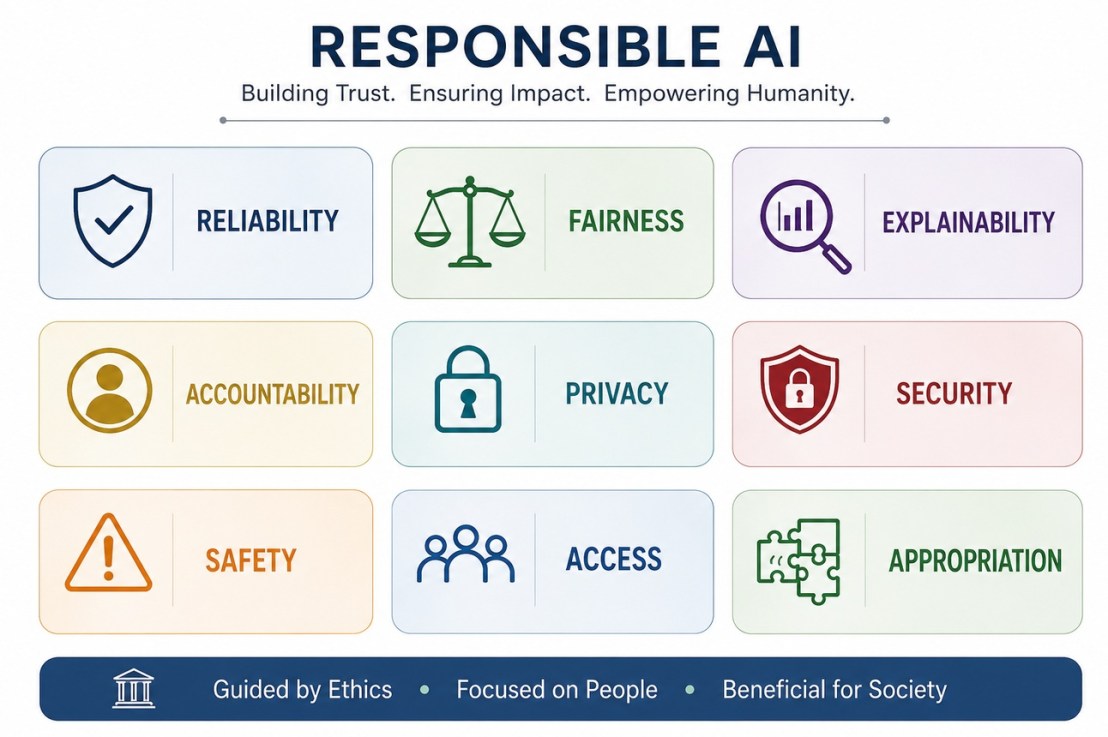
For firms, pursuing responsible AI is no longer a matter of public relations or ethical signaling—it is becoming a core strategic decision that shapes long-term competitiveness, risk exposure, and organizational credibility. As artificial intelligence moves from experimental use to mission-critical deployment, the question is not simply whether firms should adopt AI, but how they should design, govern, and integrate it into their operations in a way that is both effective and trustworthy.
Continue reading “Why go for Responsible Artificial Intelligence frameworks during Digital Transformation”Tag: Technology
Why Growing Companies are Shifting Away from Traditional In-House IT
As a business scales, its operational needs become exponentially more complex. What begins as a manageable technical setup quickly evolves into a sprawling infrastructure requiring constant oversight. For years, the default solution for growing companies was to build a dedicated, in-house IT department. However, this traditional approach is increasingly proving to be a bottleneck rather than a strategic advantage. Today’s dynamic business environment demands agility, robust security, and specialised expertise, prompting business leaders to rethink how they manage their digital operations. The speed of technological advancement simply outpaces the capacity of most internal teams to adapt organically.
Continue reading “Why Growing Companies are Shifting Away from Traditional In-House IT”Which IT roles will AI automate most
Specific IT roles are likely to be replaced with the advent of generative artificial intelligence. We wanted to undertake a brief survey of which roles are likely to be more impacted and hence, professionals in these roles should look into reskilling their portfolio and competency. Reskilling in AI/ML use could be a way to strengthen competency within this area itself.
Continue reading “Which IT roles will AI automate most”What is Prompt Engineering: An overview
Prompt engineering refers to the practice of designing and structuring inputs to large language models so that they produce accurate, useful, and reliable outputs. As language models have grown more capable, the way prompts are written has become an important skill, blending aspects of linguistics, logic, and problem formulation. Over time, several distinct types of prompt engineering have emerged, each suited to different tasks and levels of model guidance. The following discussion presents the main types of prompt engineering in an essay-style narrative, with an example woven into each explanation.
Continue reading “What is Prompt Engineering: An overview”What Are Some Modern Healthcare Tools?
Technology can play a role in patient outcomes. From the digitization of records to advanced medical devices, these different tools are transforming the way you interact with the healthcare system.
Continue reading “What Are Some Modern Healthcare Tools?”4 Features of 5G Technology Explained
The fifth generation of wireless technology marks a turning point in how devices talk to each other across networks. As this technology spreads across the globe, understanding its core mechanisms becomes increasingly vital for businesses and everyday users alike. This new wireless standard represents a fundamental shift in network architecture, capabilities, and potential applications.
Continue reading “4 Features of 5G Technology Explained”Why Tracking Near Misses Is Just as Important as Reporting Accidents
Workplace safety programs traditionally concentrate on recordable injuries and accidents. While this focus is necessary for compliance and immediate response, it often overlooks a rich source of preventative data: near misses. These events, which could have caused harm but did not, provide critical insights into operational risks. Ignoring them means missing valuable opportunities to prevent future accidents before they happen.
Continue reading “Why Tracking Near Misses Is Just as Important as Reporting Accidents”How to Choose the Right Enterprise Content Management System for your Business?
In an information-driven world, how a company manages its documents, content, and data can make or break its effectiveness. Enterprise Content Management (ECM) systems help companies organize, store, protect, and access information, both within and across departments and geographies.
Continue reading “How to Choose the Right Enterprise Content Management System for your Business?”5 Effective Product Development Tips
Product development is a critical process that determines the success of any product in the market. Whether you’re launching a novel gadget or improving an existing service, understanding the nuances of this process can be helpful.
This article delves into five effective tips for product development.
Continue reading “5 Effective Product Development Tips”Case: An Organisational Capability Framework for the Integration of Generative AI
Introduction: Beyond Technological Novelty to Strategic Necessity
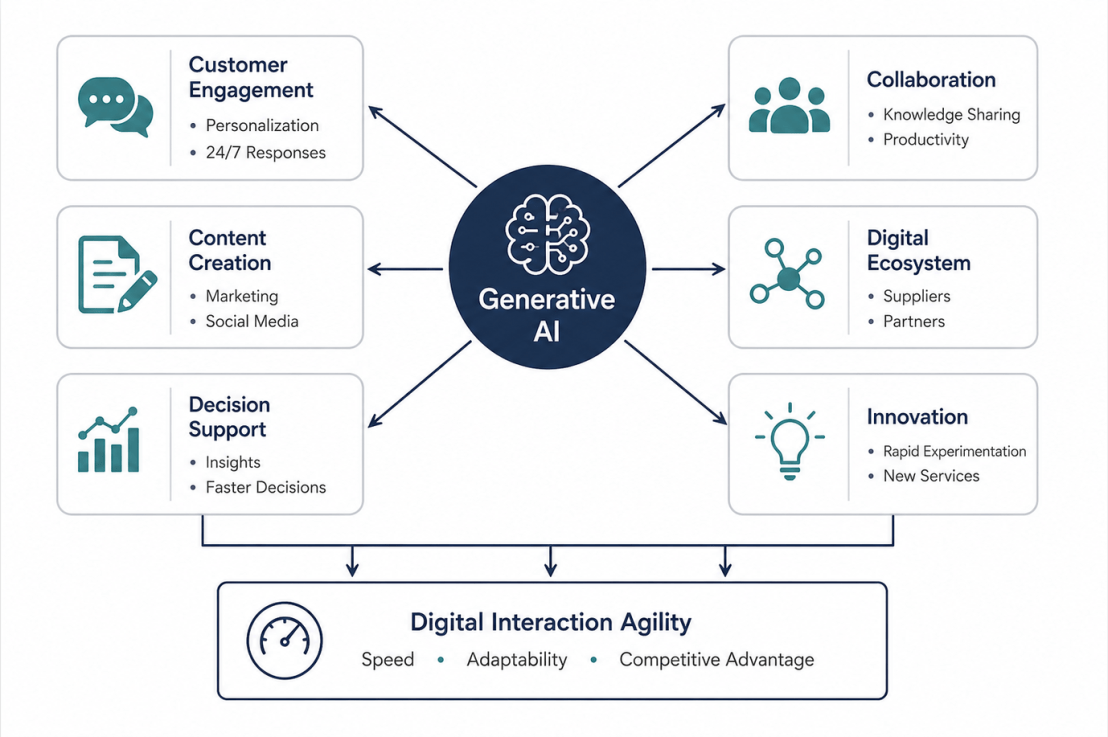
The advent of advanced Generative Artificial Intelligence (GenAI), marked by the public release of sophisticated models like ChatGPT, represents a pivotal moment in the history of automation and organisational management. For the first time, technology can interact in natural human language, process unstructured data at scale, and generate novel content, positioning GenAI not merely as an incremental improvement but as a general-purpose technology poised to create the next frontier of productivity. The potential economic impact is substantial, with estimates suggesting GenAI could add trillions of dollars annually to the global economy by automating a significant portion of employee activities and creating value across functions like marketing, sales, customer operations, and software engineering.
Continue reading “Case: An Organisational Capability Framework for the Integration of Generative AI”


You must be logged in to post a comment.